Rota do Sicó
Difficulty
Distance
24 km
Duration
6h45
Elevation gain
950 m
Altitude
100–403 m
Type
Loop
Description
Machine-translated from Portuguese.
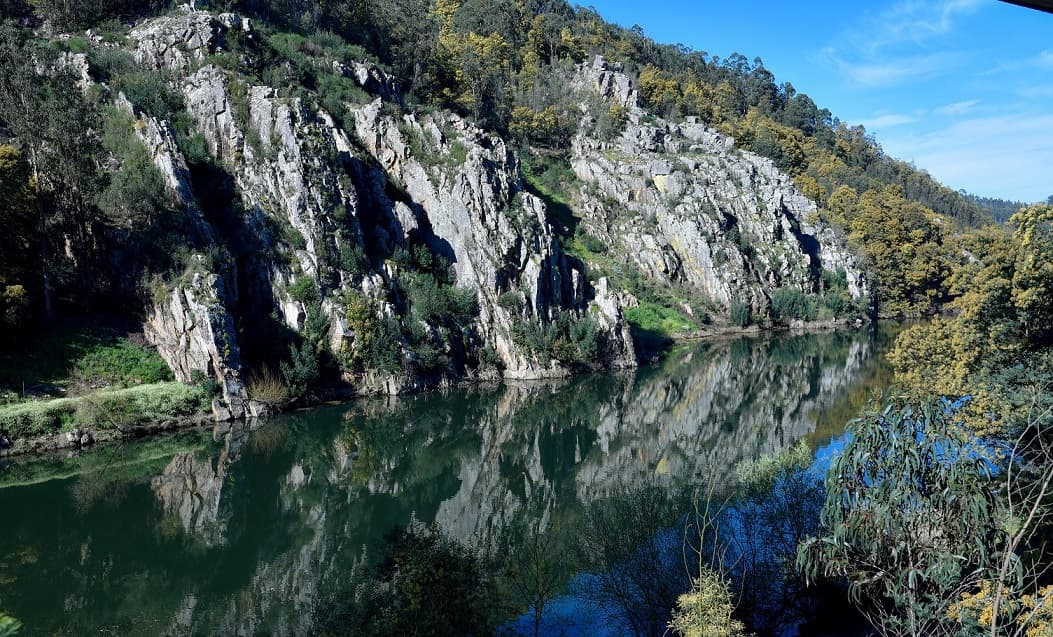
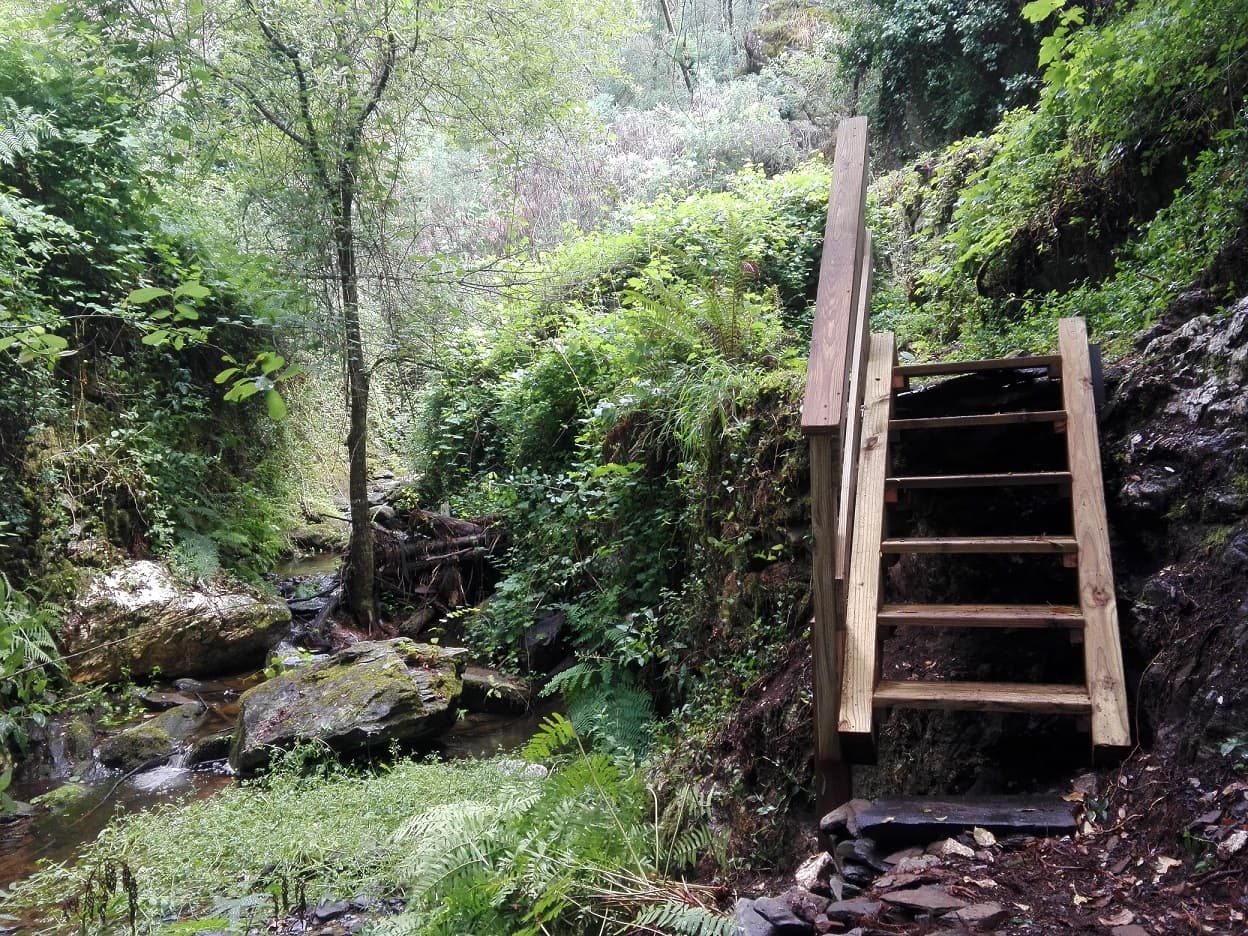
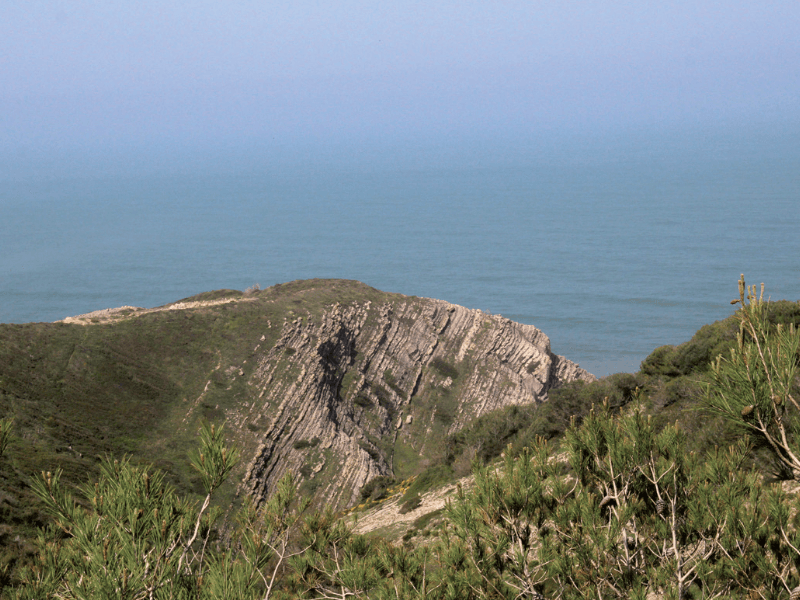
Stretching 23.5 km, this route winds through the rural trails of the Sicó Mountains, connecting the famous ruins of the Roman city of Conímbriga to the extraordinary geomonuments of the Sicó limestone massif, in a Mediterranean climate. In addition to small patches of forest, typically consisting of maritime pine and stone pine (Pinuspinaster and Pinuspinea), eucalyptus (Eucalyptus globulus), and more rarely cerquinho oak (Quercus faginea) in association with cork oaks (Quercus suber) and holm oaks (Quercus rotundifolia), this is a territory marked by the presence of rock, intermittently covered by shrub formations where the most common species is the kermes oak (Quercus coccifera) together with the strawberry tree (Arbutus unedo), the olive tree (Olea europaea var. europaea), the wild olive (Olea europaea var. sylvestris), the hedge buckthorn (Rhamnus alaternus), the daphne (Daphne gnidium), and the white rockrose (Cistus albidus). In the herbaceous layer, Mediterranean aromatic plants stand out, such as oregano (Origanum vulgare subsp. virens), thyme (Thymus spp.), rosemary (Rosmarinus officinalis), and Spanish lavender (Lavandula stoechas subsp. luisieri), which exude their scents and leave a lasting impression on the visitor’s sense of smell. As for the fauna, these areas are inhabited by the Manoela’s rock lizard (Psammodromus manuelae), the Sardinian wheatear (Timon lepidus), the Marseille whip snake (Malpolon monspessulanus), the red fox (Vulpes vulpes), the beech marten (Martes foina), and the Egyptian mongoose (Herpestes ichneumon), and in recent years there has been a growing population of wild boars roaming the entire mountain range. Birds of prey such as the common buzzard (Buteo buteo) or the black kite (Milvus migrans) are also a common sight in these areas. During the wettest time of year, it is possible to spot the green frog (Phelophylax perezi), the Iberian frog (Rana iberica), the midwife toad (Alytes obstetricans), or the yellow-spotted salamander (Salamandra salamandra). It is recommended to begin the circular route of the Sicó Trail in the village of Casmilo, heading toward the Dolinas (natural water deposits), the Lapiás fields (“stone cemeteries”), and the Buracas (horizontal openings in a limestone wall). After visiting this geological art gallery, the route continues toward the Sanctuary of Nossa Senhora do Círculo, which offers endless panoramic views, including a glimpse of the sea, located about 30 km away. After this moment of contemplation, the route descends the slope and reaches the fluvio-karst canyon of the Rio de Mouros (a deep, narrow gorge) and runs through the valley from the village of Poço to the Ruins of Conímbriga (an archaeological site classified as a National Monument, with traces of settlement dating from the 9th century BC to the 8th century AD, particularly Roman settlements from the 1st century BC onward), passing by the Rio de Mouros Waterfall where, during winter and spring, you can observe the fantastic waterfall. In terms of connectivity, this route intersects with the PR1 (Conímbriga Route), the GR26 (Grande Rota Terras de Sicó), and the Camino de Santiago. It is possible to shorten or vary the route in the villages of Casmilo and Furadouro, due to their proximity to the trail.